

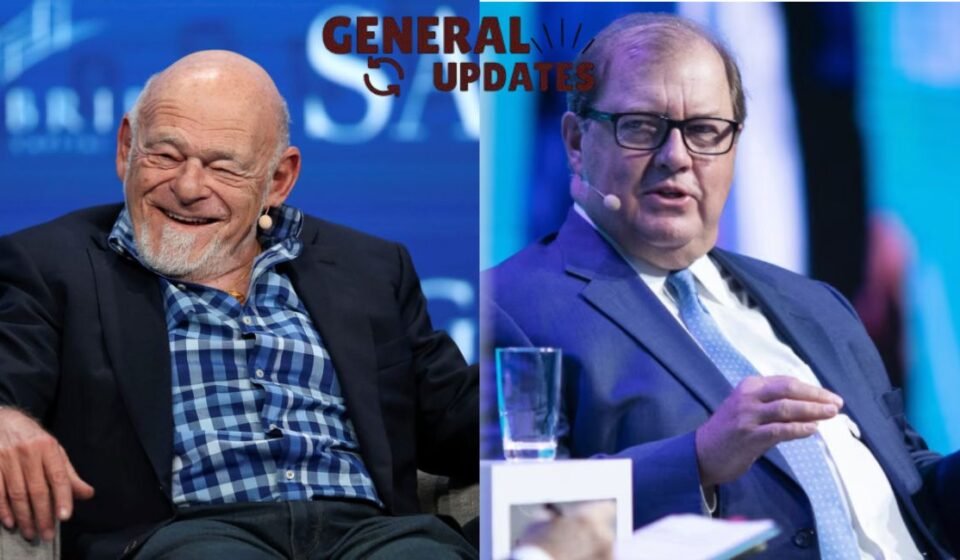

Sam Zell and Gary Heminger stand out as two major figures in modern American business. Zell built a fortune through real estate and opportunistic investing. Heminger rose through the ranks of the energy sector to lead one of the largest U.S. refiners. Their paths rarely overlapped, yet both shaped their industries through long careers, bold decisions, and steady leadership.
This article examines their backgrounds, major achievements, leadership approaches, and the lasting impact each left. Readers will gain a clear view of how two different men navigated high-stakes business environments and what their stories reveal about success in competitive fields.
Who Was Sam Zell?
Sam Zell was born Samuel Zielonka on September 28, 1941, in Chicago. His parents were Jewish immigrants who fled Poland just before World War II. He graduated from the University of Michigan with a bachelor’s degree and a law degree.
Zell entered real estate while still in school. He later founded Equity Group Investments, the firm that became the base of his empire. Over decades he acquired and turned around troubled properties and companies. His nickname, “the Grave Dancer,” came from his skill at buying distressed assets and restoring value.
One of his biggest moves was building Equity Office Properties into a major office REIT. In 2007 he sold it to Blackstone for about $39 billion, then the largest private-equity deal of its kind. He also controlled Equity Residential, Equity LifeStyle Properties, and other public companies. Later investments reached into energy, logistics, and waste-to-energy through Covanta.
Zell died on May 18, 2023, at age 81. Forbes estimated his net worth at roughly $5.2 billion shortly before his death. Estimates of personal wealth can vary by source and timing.
Who Is Gary Heminger?
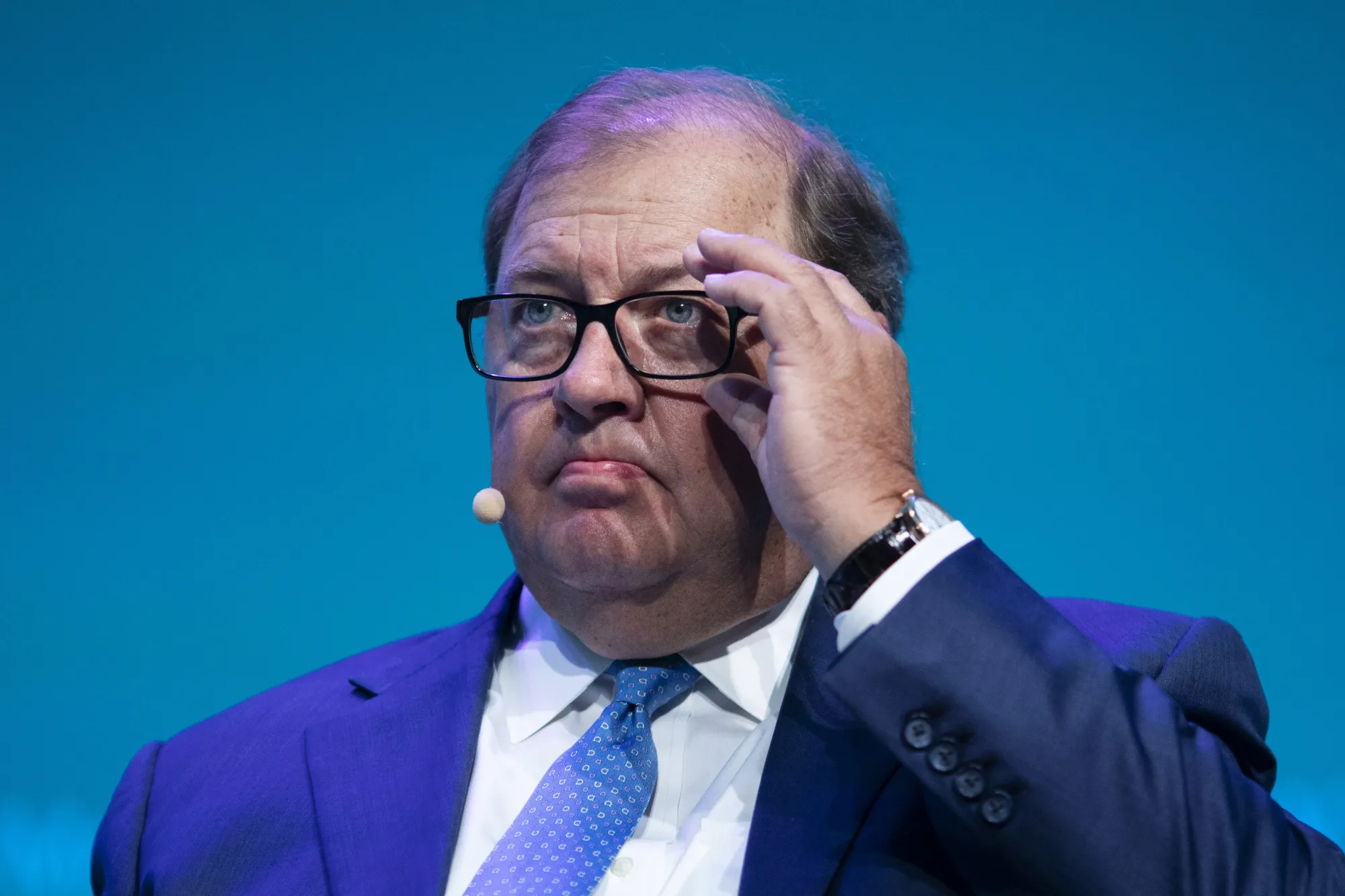
Gary R. Heminger was born around 1952 or 1953. He earned a bachelor’s degree in accounting from Tiffin University in 1976 and an MBA from the University of Dayton in 1982. He also completed the Wharton Advanced Management Program.
Heminger joined Marathon in 1975. He spent more than 40 years with the company and its affiliates. Early roles included audit work in London on the Brae Project and marketing positions with Emro Marketing, the predecessor to Speedway. He later led Marathon Pipe Line Company and rose through supply, transportation, and marketing.
In 2011, when Marathon Petroleum spun off as an independent company, Heminger became president and CEO. He added the chairman title in 2016. Under his leadership the company expanded through the major Andeavor acquisition and grew its refining, midstream, and retail operations. He also chaired MPLX, the midstream partnership.
Heminger retired in March 2020 after the 2020 annual meeting. He has since served on boards including PPG Industries and Fifth Third Bancorp. Public estimates of his net worth vary widely depending on stock holdings and timing; figures cited in recent years range from tens to hundreds of millions based on disclosed equity positions. Exact personal wealth is not publicly fixed.
Parallel Paths in Different Industries
Sam Zell and Gary Heminger built careers in distinct sectors. Zell focused on real estate, REITs, and opportunistic deals across industries. Heminger stayed almost entirely within the energy value chain—refining, pipelines, marketing, and retail fuel.
Both showed patience and long-term commitment. Zell operated for more than 50 years. Heminger spent 45 years at Marathon and its related entities. Both rose to the top of large organizations and made decisions that affected thousands of employees and major capital markets.
Zell’s style leaned toward opportunistic buying of undervalued or troubled assets. He often entered situations others avoided. Heminger’s record shows operational depth and steady execution inside a complex industrial company. He managed refining margins, logistics, and large acquisitions while navigating commodity cycles and activist pressure.
In the late 2010s Zell publicly discussed buying distressed energy assets as capital tightened in the oil patch. Those comments came around the same period when Heminger was leading Marathon Petroleum through its own strategic changes, including the planned Speedway spin-off. The two men never appear to have collaborated or held overlapping board seats according to public records.
Leadership Styles and Key Decisions
Zell favored clear communication and personal conviction. He wrote a book, Am I Being Too Subtle?, that outlined his principles. He valued finding local partners in international deals and moving quickly when opportunity appeared. His motorcycle-riding, informal image contrasted with traditional corporate formality.
Heminger operated as a career company man who rose through internal ranks. Colleagues and company statements described him as focused on operational performance, safety, and shareholder returns. During his CEO years Marathon Petroleum returned substantial capital to shareholders and completed transformative deals. He also faced activist investor pressure that contributed to the decision to separate the retail business and his own retirement timeline.
Both men dealt with public scrutiny. Zell’s Tribune Company acquisition in 2007 later drew criticism after the company entered bankruptcy. Heminger’s tenure included debates over executive pay ratios and the pace of corporate restructuring. Neither career was free of controversy, yet both left measurable marks on their industries.
Also read: Bob Chapek and John Paulson: Parallel Paths in Business
Impact on Their Industries
Zell helped popularize the modern real-estate investment trust structure and demonstrated the power of buying during downturns. His firms managed large portfolios of apartments, manufactured-home communities, and office buildings. He also backed entrepreneurship education programs at universities.
Heminger guided Marathon Petroleum through its early years as a public independent refiner. The company became one of the largest U.S. refiners by capacity. His leadership covered the expansion of midstream assets through MPLX and the integration of Andeavor’s refining and logistics network. Those moves strengthened the company’s scale in a consolidating industry.
Together their careers illustrate two proven routes to influence: one through entrepreneurial deal-making and asset repositioning, the other through deep operational expertise inside a single industry.
Lessons from Sam Zell and Gary Heminger

Several practical takeaways emerge. First, longevity matters. Both men accumulated knowledge over decades rather than chasing short-term trends. Second, timing and capital discipline create advantage. Zell repeatedly bought when capital was scarce. Heminger managed through volatile commodity cycles and still delivered growth.
Third, different leadership styles can succeed. Zell’s entrepreneurial, opportunistic approach fit real estate and distressed situations. Heminger’s steady, operational style suited a capital-intensive refining business. Neither path is universally superior; context determines effectiveness.
Finally, both remained active in governance and philanthropy after peak operating roles. Zell supported educational initiatives. Heminger has continued board service and maintained ties to his alma mater.
FAQs
What industries did Sam Zell and Gary Heminger primarily work in?
Sam Zell focused on real estate and opportunistic investing; Gary Heminger spent his career in oil refining, pipelines, and energy marketing.
Did Sam Zell and Gary Heminger ever work together?
Public records show no direct professional partnership or joint business ventures between them.
When did Gary Heminger retire from Marathon Petroleum?
He retired in March 2020 after serving as chairman and CEO.
What was Sam Zell’s most famous deal?
The 2007 sale of Equity Office Properties to Blackstone for approximately $39 billion stands out as his largest transaction.
Are there accurate net-worth figures for both men?
Estimates exist but vary by source and date; Zell’s was reported near $5.2 billion before his death, while Heminger’s disclosed equity holdings have been valued in the tens to low hundreds of millions depending on the period.
Sam Zell and Gary Heminger represent two distinct models of American business success. One mastered the art of the opportunistic deal across real estate and beyond. The other mastered the complexities of a major energy company from the inside. Their stories remain relevant for anyone studying leadership, capital allocation, and long-term value creation.



[…] Sam Zell and Gary Heminger: Business Titans Compared […]
[…] Sam Zell and Gary Heminger: Business Titans Compared […]