
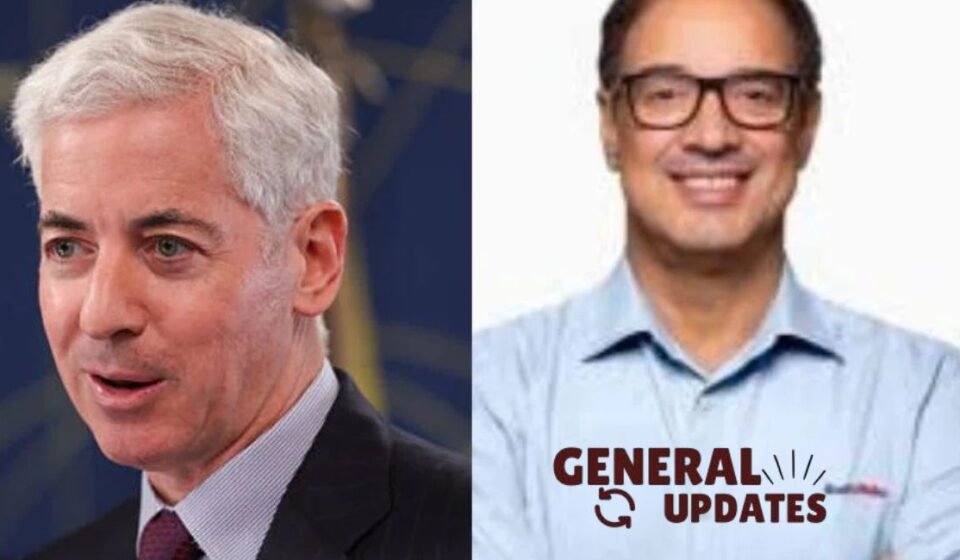

Bill Ackman and Miguel Patricio operate in related but distinct corners of the business world. Ackman built his reputation as an activist investor through Pershing Square Capital Management. Patricio rose through consumer packaged goods, spending two decades at AB InBev before leading Kraft Heinz as CEO and later serving as executive chair. Their stories intersect around the Kraft brand and the broader consumer sector, even if they never worked side by side in the same boardroom.
This article examines their individual careers, the documented points of overlap through Kraft Foods and Kraft Heinz, and the lessons their approaches offer investors and executives watching consumer brands today. Readers will gain a clear picture of how activist capital and operational leadership shape large food companies.
Bill Ackman and Miguel Patricio are linked through Kraft. Ackman invested in Kraft Foods in 2010 as an activist, while Patricio later served as CEO of Kraft Heinz from 2019, focusing on brand revival after the 3G-Buffett merger.
Who Is Bill Ackman?
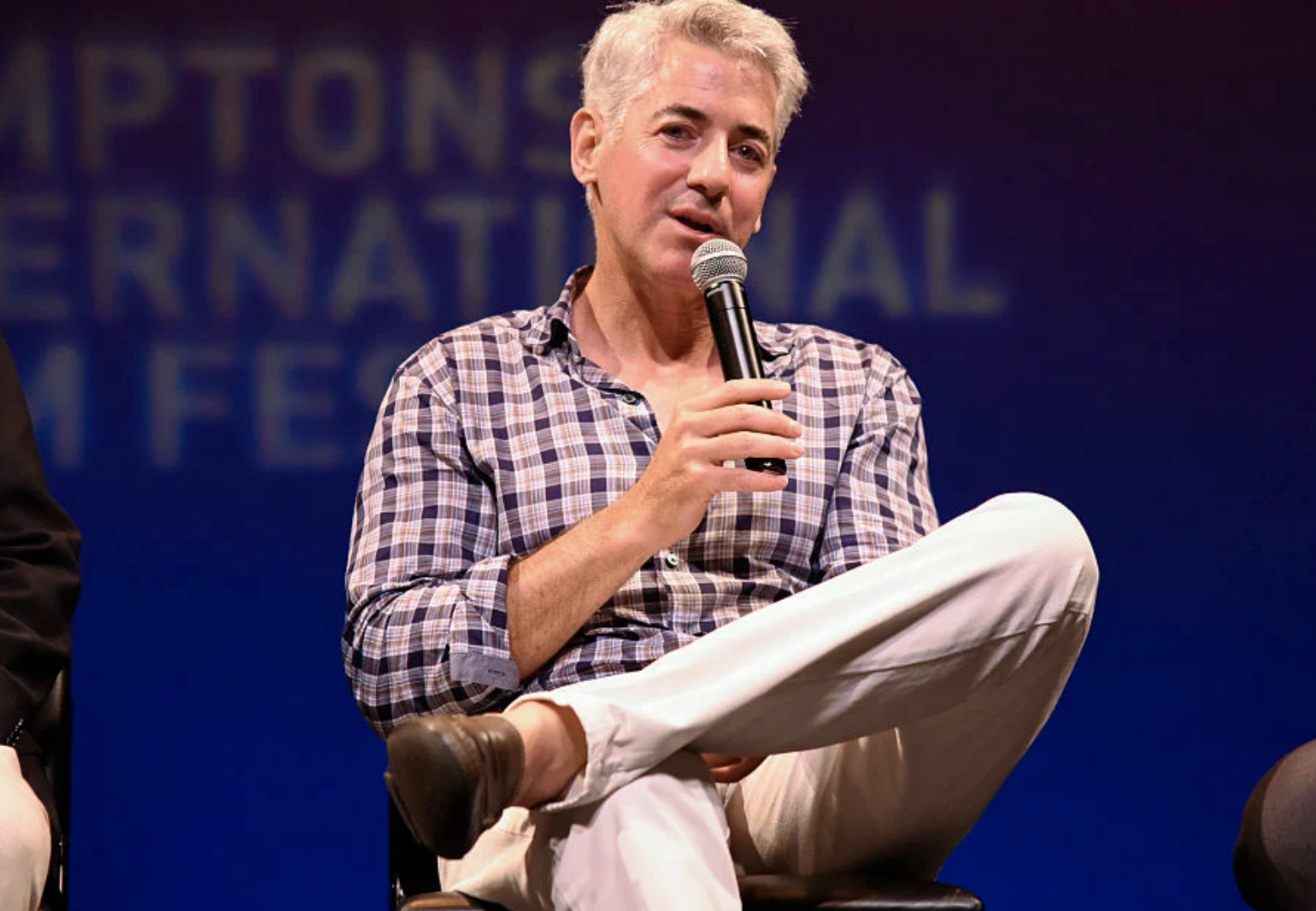
Bill Ackman founded Pershing Square Capital Management in 2004 after earlier experience at Gotham Partners. He is known for concentrated, high-conviction bets and a history of activist campaigns. Pershing Square typically holds a relatively small number of positions and engages with management when the firm believes change can unlock value.
Ackman’s style has evolved. In earlier years he took public positions on companies such as Wendy’s, McDonald’s, and Herbalife. More recently the firm has emphasized permanent capital vehicles and longer-term ownership, including the launch of Pershing Square USA. His portfolio has included technology, financials, and consumer-related names at different points.
Ackman has spoken openly about wanting elements of a Berkshire Hathaway-style model—permanent capital, concentrated ownership, and the ability to hold through cycles. Performance has varied across market environments, and the firm’s public filings show periodic portfolio overhauls as opportunities shift.
Who Is Miguel Patricio?

Miguel Patricio is a Portuguese executive with deep experience in consumer brands. He earned a business administration degree from Fundação Getulio Vargas in São Paulo. Early roles included positions at Philip Morris, Coca-Cola, and Johnson & Johnson before he joined the AB InBev organization.
At AB InBev he held progressive leadership posts, including Zone President for North America, Zone President for Asia Pacific, and Global Chief Marketing Officer from 2012 to 2018. In the marketing role he helped drive organic growth for major beer brands.
In 2019 Kraft Heinz appointed him CEO, succeeding Bernardo Hees. He took the job at a difficult moment for the company, which faced stagnant growth, brand challenges, and scrutiny after the 2015 Kraft-Heinz merger orchestrated by 3G Capital and Berkshire Hathaway. Patricio emphasized brand building, consumer focus, and operational improvements. He later transitioned to executive chair while Carlos Abrams-Rivera assumed the CEO role, and more recent leadership changes have continued as the company prepares for a planned split.
The Kraft Link Between Bill Ackman and Miguel Patricio
The clearest documented connection runs through Kraft. In early 2010, Pershing Square disclosed a stake of roughly 2 percent in Kraft Foods, then one of the firm’s largest positions. Ackman publicly supported Kraft’s pursuit of Cadbury, arguing the stock was undervalued partly because of deal-related pressure and that the combination made strategic sense. He cited the quality of Kraft’s brands and the potential for improved global distribution. Warren Buffett’s comments on share issuance in the deal also influenced Ackman’s comfort level.
Pershing Square held the position for a period and later exited. By mid-2012 regulatory filings showed the firm had sold its entire Kraft stake as it built a position in Procter & Gamble.
Years later, after the 2015 merger that created Kraft Heinz under 3G Capital and Berkshire Hathaway ownership, the company struggled with integration, pricing power, and growth. In 2019 the board turned to Patricio, bringing in an executive steeped in brand marketing rather than pure cost-cutting. His tenure focused on revitalizing “dusty” brands, improving organic sales, and navigating inflation and supply challenges.
Ackman’s earlier activist interest in Kraft and Patricio’s later operational leadership therefore bookend different chapters of the same corporate story. They did not collaborate directly. One applied capital-market pressure and public advocacy; the other applied day-to-day brand and organizational management inside the company after its transformation into Kraft Heinz.
Different Approaches to Value Creation
Ackman and Patricio illustrate two complementary ways value is created in consumer businesses.
Activist investors like Ackman identify perceived undervaluation or strategic missteps and push for changes in capital allocation, portfolio structure, or management focus. Success depends on accurate analysis, timing, and the ability to influence boards and markets. Failures can be public and costly, as seen in some of Pershing Square’s more controversial campaigns.
Operators like Patricio work inside the company to improve brand equity, innovation pipelines, go-to-market execution, and culture. At Kraft Heinz he faced the practical challenges of a portfolio that mixed high-growth potential brands with slower legacy items, all while managing large-scale cost structures inherited from the merger era.
Both approaches matter. Capital markets reward clear strategies and disciplined capital use. Consumers ultimately decide whether brands remain relevant. The most durable consumer companies tend to benefit when strong operators and constructive owners align.
Broader Context in Consumer Investing
The consumer packaged goods sector has faced structural pressure for years. Private-label competition, shifting shopper preferences, inflation, and retailer consolidation have tested traditional brand owners. Activist interest periodically surfaces when stocks lag or portfolios appear ripe for pruning. Operational turnarounds require patience, marketing investment, and sometimes portfolio simplification.
Kraft Heinz itself has announced plans to separate into two companies, reflecting ongoing efforts to unlock value through structure. Leadership transitions, including Patricio’s move to chair and subsequent CEO changes, form part of that evolution. Meanwhile, investors such as Ackman continue to seek high-quality businesses with durable competitive advantages, whether in food, technology, or financial infrastructure.
No public evidence indicates a personal or ongoing professional partnership between Ackman and Patricio. Their connection remains historical and industry-based through the Kraft lineage.
Lessons for Investors and Executives
Several practical takeaways emerge. First, timing and context matter. Ackman’s Kraft investment occurred during a major acquisition that temporarily depressed the stock; Patricio arrived after the subsequent merger had already reshaped the company. Second, brand strength is hard to quantify yet central to long-term value. Both men recognized the power of established consumer franchises. Third, leadership transitions in large public companies often signal strategic pivots—whether toward greater activism, operational focus, or structural change.
Readers following consumer stocks or activist filings can watch for similar patterns: undervalued portfolios, brand renovation efforts, and the interplay between outside capital and inside management.
Looking Ahead
Ackman continues to evolve Pershing Square’s structure and public presence, emphasizing longer-duration capital and selective new investments. Patricio’s experience at the intersection of marketing excellence and large-scale operations positions him as a seasoned voice in the consumer sector, whether through board roles or advisory work.
The story of Bill Ackman and Miguel Patricio is less about a personal alliance and more about how different skill sets touch the same industry. One deploys capital and public advocacy. The other builds brands and organizations from the inside. Together their careers illuminate the forces that shape major consumer companies over decades.
Understanding these dynamics helps investors evaluate both activist campaigns and management transitions with clearer eyes. The Kraft chapter remains a useful case study in how capital markets and operational leadership intersect—even when the individuals themselves operate on parallel tracks.
Also read: Phebe Novakovic and Brian Moynihan: Leadership Lessons
FAQs
What is the main professional link between Bill Ackman and Miguel Patricio?
Ackman invested in Kraft Foods around 2010; Patricio later led Kraft Heinz as CEO after the 2015 merger.
Did Bill Ackman and Miguel Patricio ever work together directly?
No public records show direct collaboration or joint board service between them.
Why did Pershing Square invest in Kraft Foods?
Ackman viewed the stock as undervalued amid the Cadbury acquisition and liked the brand portfolio and strategic logic.
What was Miguel Patricio’s background before Kraft Heinz?
He spent roughly two decades at AB InBev, rising to Global Chief Marketing Officer after roles in North America and Asia Pacific.
How has Kraft Heinz evolved since Patricio’s CEO tenure began?
The company focused on brand revitalization and later announced plans to separate into two businesses while undergoing further leadership changes.